
Our Location
304 North Cardinal St.
Dorchester Center, MA 02124

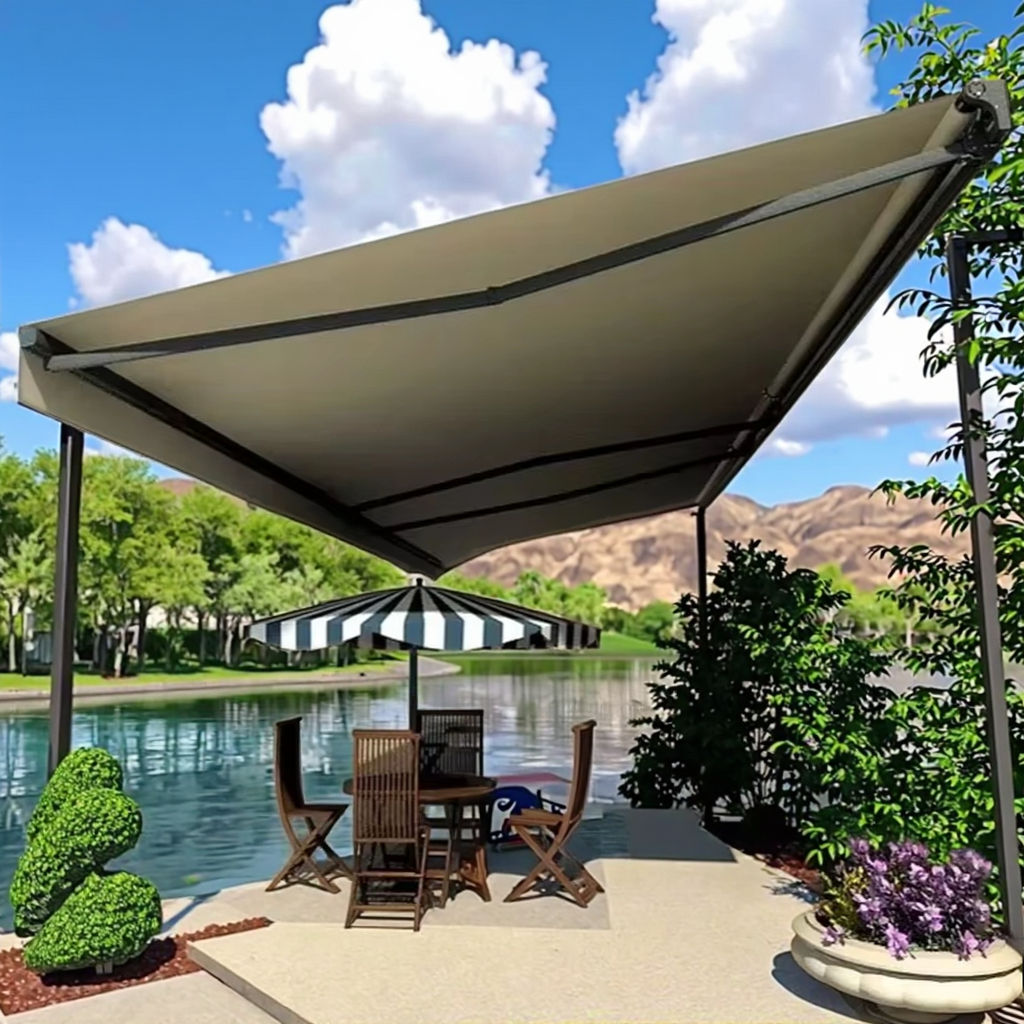
The louvered pergola has quietly evolved from a fixed architectural feature into the centerpiece of the modern smart garden. As luxury homeowners and high-end hospitality clients ask for outdoor spaces that feel like a living room, designers are leaning on three trends that turn a static patio into an adaptive, sensor-driven environment. Here is what is shaping premium projects in 2026.
The new generation of louvered roofs does not just open and close — it reacts. Built-in rain sensors trigger automatic closure at the first drop. Wind anemometers retract the louvers when sustained winds exceed safe thresholds. Sun sensors adjust the blade angle throughout the day, keeping the space cool in summer and sun-warmed in autumn.
For high-end clients, this means no more scrambling to close the patio when the weather shifts. For designers, it means specing a system that protects expensive outdoor furniture automatically — a major selling point for villa and resort projects.
What to look for:
The high-end garden is moving away from single-material installations. Designers are now specifying layered combinations that soften the architecture and bring the landscape into the structure itself:
This biophilic layering turns the pergola from a thing on the lawn into a garden room. The clean lines of the aluminum structure provide architectural rigor, while the soft materials add warmth and texture.
Practical note: when you layer materials, make sure the structural aluminum still meets your wind and snow load specs. Decorative add-ons should not compromise the engineering.
High-net-worth clients are no longer satisfied with a single rectangular roof. The trend is zoned configurations — multiple louvered sections arranged in L, T, or even U shapes toefine rooms within the outdoor space:
